


Whether on a flight, in the office, or out on a jog, many of us spend a lot of time wearing speakers on or in our ears – and understandably, we demand a lot from them.
None of this performance comes easily, and the engineers designing on-or-in-ear audio products know that measuring the audio quality of headphones, earbuds, and headsets presents unique challenges. From R&D to the manufacturing line, the selection of measurement strategies and tools is absolutely critical to a successful product design.
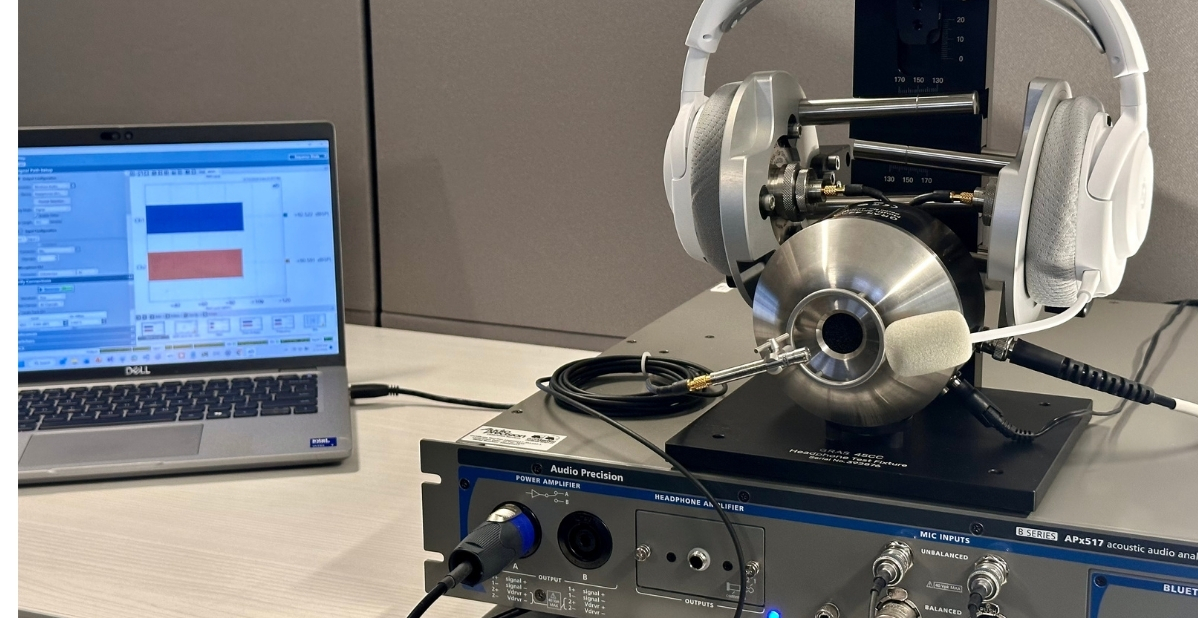
Technote 142: Audio Test of USB Headsets with APx
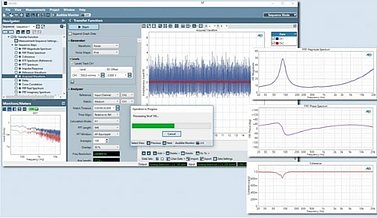
In this Technote, we discuss testing the audio performance of USB headsets with APx500 series audio analyzers using open-loop test techniques. We also provide an APx project file that implements the tests on typical hardware. This Technote, and project file, specifically illustrate measuring the frequency response magnitude of a headset’s microphone and earphones using the log-swept sine (chirp) method.
更多资源
访问我们的技术资料库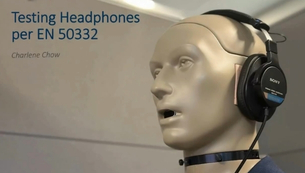
Testing Headphones to EN 50332 Standards with APx
Charlene Chow, Technical Support & Applications Engineer for Audio Precision, demonstrates how to accurately and efficiently test headphones to the EN 50332 standard using an APx analyzer and APx500 measurement software。
立即下载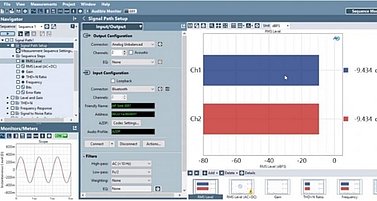
A Step by Step Guide to setting up the APx Bluetooth Duo Module
For users getting familiar with the APx Bluetooth Duo module, get a step-by-step guide to configure APx500 software (v4.5 software or later) and pair it with your device-under-test (DUT).
立即下载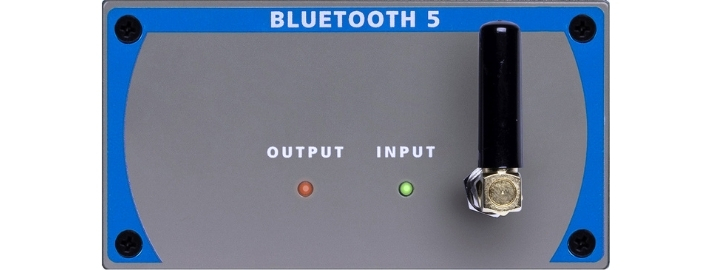
APx Bluetooth 5 Option Datasheet
Audio Precision’s third-generation Bluetooth® module, the APx Bluetooth 5, delivers Bluetooth LE Audio capabilities. APx Bluetooth 5 supports Bluetooth specification v5.4, with Unicast Voice (transmit and receive), Unicast Music (transmit), and Auracast (broadcast transmit).
立即下载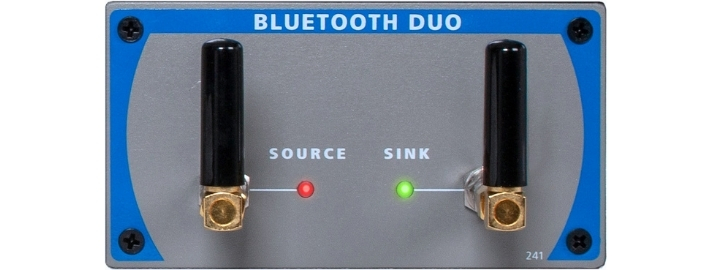
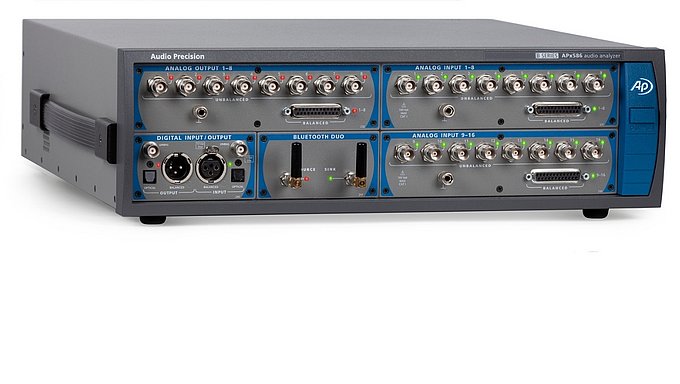
APx Bluetooth Duo Option Datasheet
The APx Bluetooth Duo delivers a wider selection of A2DP codecs, faster pair and connection times, increased features within the APx500 software, and improved RF shielding for use in production test environments. It supports Bluetooth core specification v4.2, HFP v1.7, HSP v1.2, AVRCP v1.4 and A2DP v1.3。
立即下载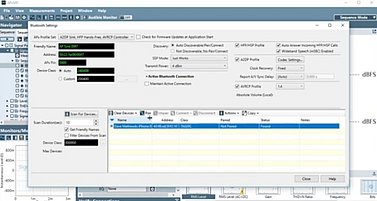
Quick Tip 141 – Bluetooth Duo Module
This brief video provides a brief overview of the Bluetooth® Duo I/O module, including its integration with APx500 measurement software. The module is an available option for both B Series and Legacy APx555, APx52x and APx58x audio analyzers。
立即下载音频功放测试解决方案
浏览全部产品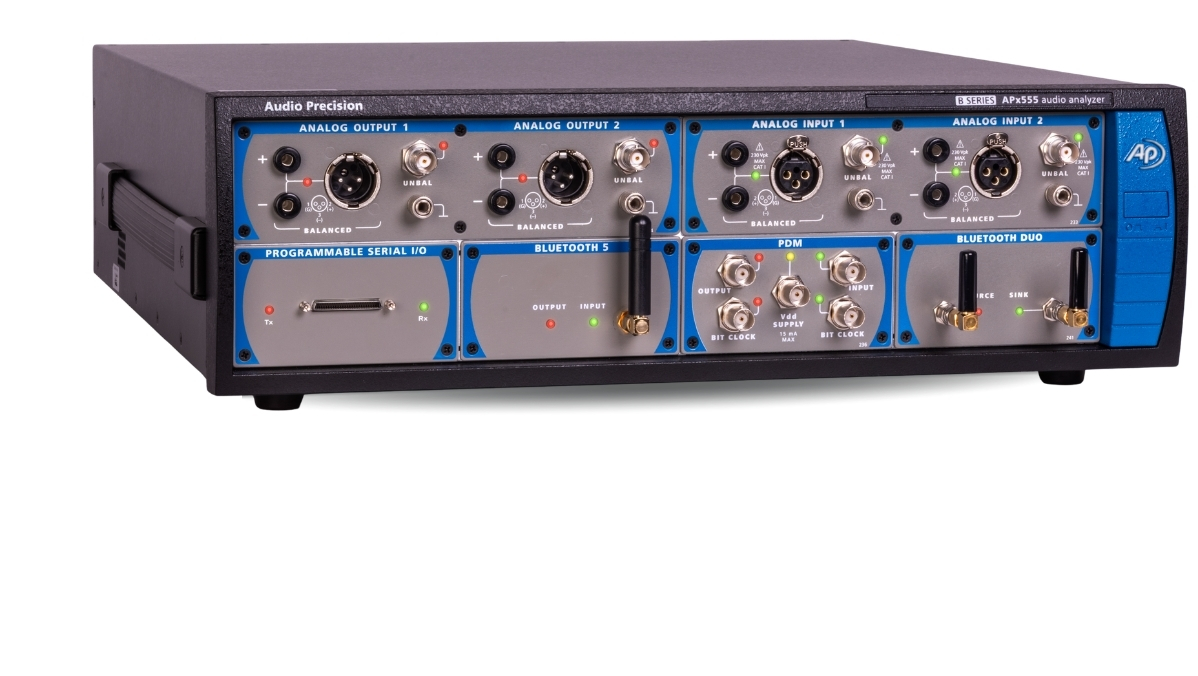

Audio Precision Analyzers: Campfire Audio’s Key to Superior
Campfire Audio shares how Audio Precision analyzers play a crucial role in designing the best sounding in-ear monitors for their customers.
功放测试常见问题
A headphone test fixture paired with a modern analyzer and associated software can perform a wide range of measurements, including:
Frequency Response
Electrical Impedance
Input Voltages
Sound Pressure Level
Harmonic and Intermodulation Distortion
Noise Attenuation
Crosstalk Attenuation
Rub and Buzz
Left/Right Tracking
The difference between headphones and earphones is straightforward. Earphones (unsealed or sealed) fit into the ear (e.g. supra-concha which rest upon the ridges of the concha cavity vs intra-concha which rest within the concha cavity). Headphones fit either on (circumaural) or over-the-ear (supra-aural). The solutions available for testing these devices depend on the engineer’s performance and budget constraints.
Earphones are classified according to their shape and how they couple to the ear, as follows:
Circumaural (or arround-ear) earphones completely surround the pinna (outer ear) and rest on the surface of the head surrounding the pinna. They may touch the pinna, but do not significantly compress it.
Supra-aural (or on-ear) earphones rest on the pinna. • Intra-concha (or in-ear) earphones are small earphones intended to rest within the concha cavity of the ear (the hollow just outside the ear canal).
Insert earphones are small earphones which are intended to partially or completely enter the ear canal.
Supra-concha earphones (not shown in Figure 1) are intended to rest upon the ridges of the concha cavity.