


Audio amplifiers are essential in audio systems, designed to increase weak audio signals to drive speakers and produce sound. While each type of amplifier boosts audio, the way they handle signals, manage heat, and affect audio quality varies significantly, leading to different classes of amplifiers with unique advantages and trade-offs. The main amplifier types—Class A, B, AB, and D—offer differences in sound fidelity, efficiency, and practicality which may affect which design is best according to various audio applications.
But the general performance needs are still the same across amplifier types. How well does the device filter for noise? What's the frequency response? Is the gain linear? Evaluating these performance metrics requires rigorous testing, and that's where the very nuanced measurement tactics and tools for amplifiers come into play.
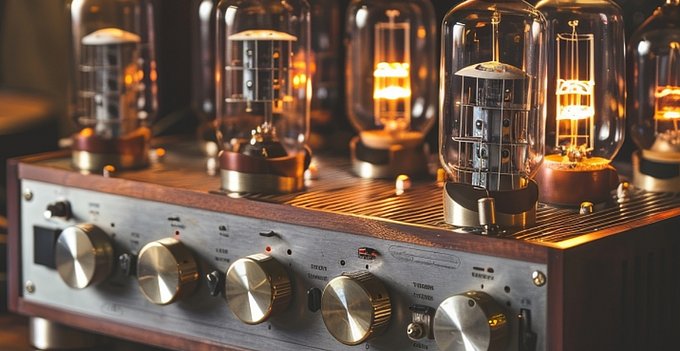
Application Note: Testing Power Amplifiers
Power amplifiers present a unique set of testing challenges that are usually not encountered when working with digital or low-level analog circuits, due to the fact that they must supply significant current as well as voltage to their loads. Factors such as power supply current and voltage limitations, thermal characteristics of the output devices and associated heatsinks, and the resistive and reactive components of the load must be considered during testing to produce meaningful results.This paper covers the fundamental measurements for testing power amplifiers, with specifics on how to best accomplish the tests using APx hardware and software.
更多资源
访问我们的技术资料库
Measuring Switch-ModePower Amplifiers
Switch-mode audio power amplifiersbecame popular due to their smallersize, lower weight, and improvedefficiency. While they have advantagesin low-power, battery-operateddevices like laptops and personalaudio players, switch-mode amplifiersare also progressively displacing moretraditional linear designs inmainstream applications where high-quality audio is important.
立即下载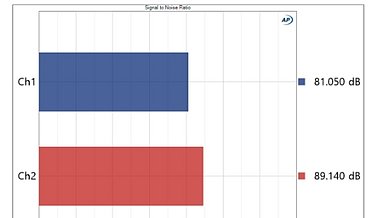
Measuring Microphone Preamplifier Noise
Making noise measurements of microphone preamplifiers (and other high-gain circuits) involves special techniques that differ from those used to measure low-gain devices. This technote explains the theory as well as how to make these measurements.
立即下载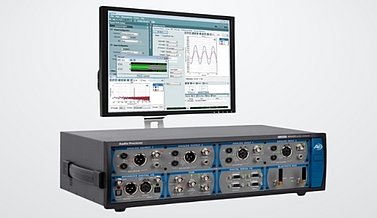
Measuring Low-Power ADCs with the APx555 ADC Test Option
Technote 136 explains how to test alow power audio IC device with ADCTest option-equipped B SeriesAPx555 audio analyzer (or LegacyAPx555 with enhanced analoggenerator (EAG) upgrade and ADC testoption).
立即下载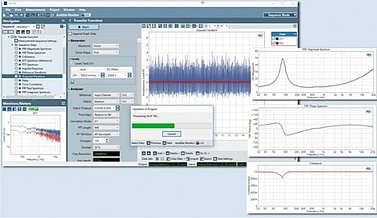
Transfer FunctionMeasurements with APxAudio Analyzers
Technote 138 discusses the TransferFunction measurement in the APx500audio measurement software. Weprovide background information ontransfer function measurements ingeneral, followed by some practicalexamples of applying thismeasurement technique to somedifficult audio test problems.
立即下载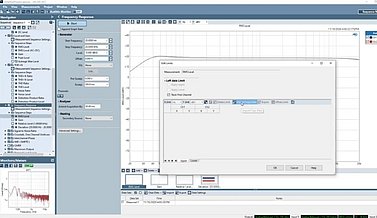
Stereo Power Amplifier Test
In this video overview, an AudioPrecision expert demonstrates how tomeasure stereo power amplifierperformance using an APx515B seriesaudio analyzer and APx500 software,providing valuable insights into deviceevaluation.
立即下载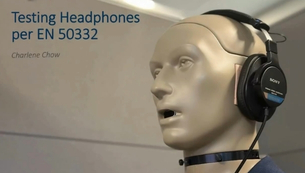
Testing Headphones to EN50332 Standards withAPx
Charlene Chow, TechnicalSupport &ApplicationsEngineer for Audio Precision,demonstrates how to accuratelyand efficiently test headphonesto the EN 50332 standard usingan APx analyzer and APx500measurement software.
立即下载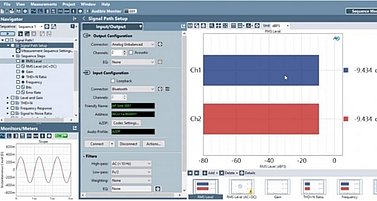
A Step by Step Guide tosetting up the APxBluetooth Duo Module
For users getting familiar withthe APx Bluetooth Duo module,get a step-by-step guide toconfigure APx500 software(v4.5 software or later) and pairit with your device-under-test(DUT).
立即下载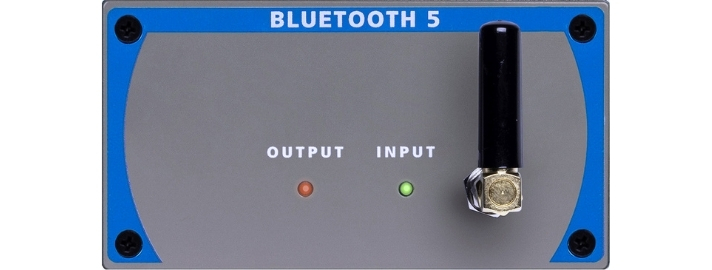
APx Bluetooth 5 OptionDatasheet
Audio Precision's third-generation Bluetooth@ module,the APx Bluetooth 5, deliversBluetooth LE Audio capabilities.APx Bluetooth 5 supportsBluetooth specification v5.4,with Unicast Voice (transmitand receive), Unicast Music(transmit), and Auracast(broadcast transmit).
立即下载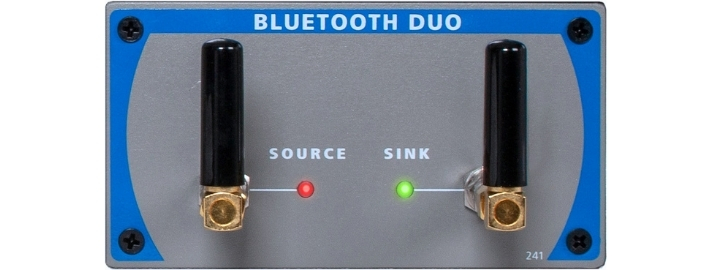
APx Bluetooth Duo OptionDatasheet
The APx Bluetooth Duo deliversa wider selection of A2DPcodecs, faster pair andconnection times, increasedfeatures within the APx500software, and improved RFshielding for use in productiontest environments. It supportsBluetooth core specificationV4.2, HFPv1.7, HSP v1.2, AVRCPV1.4 and A2DPv1.3.
立即下载音频功放测试解决方案
浏览全部产品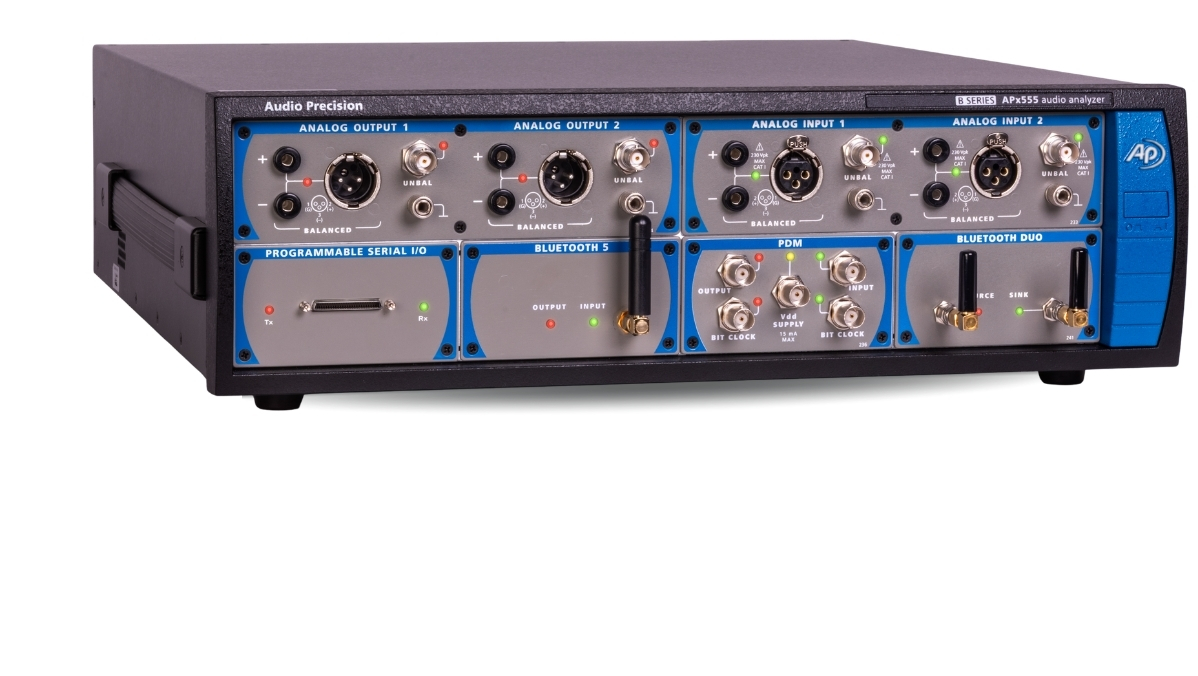
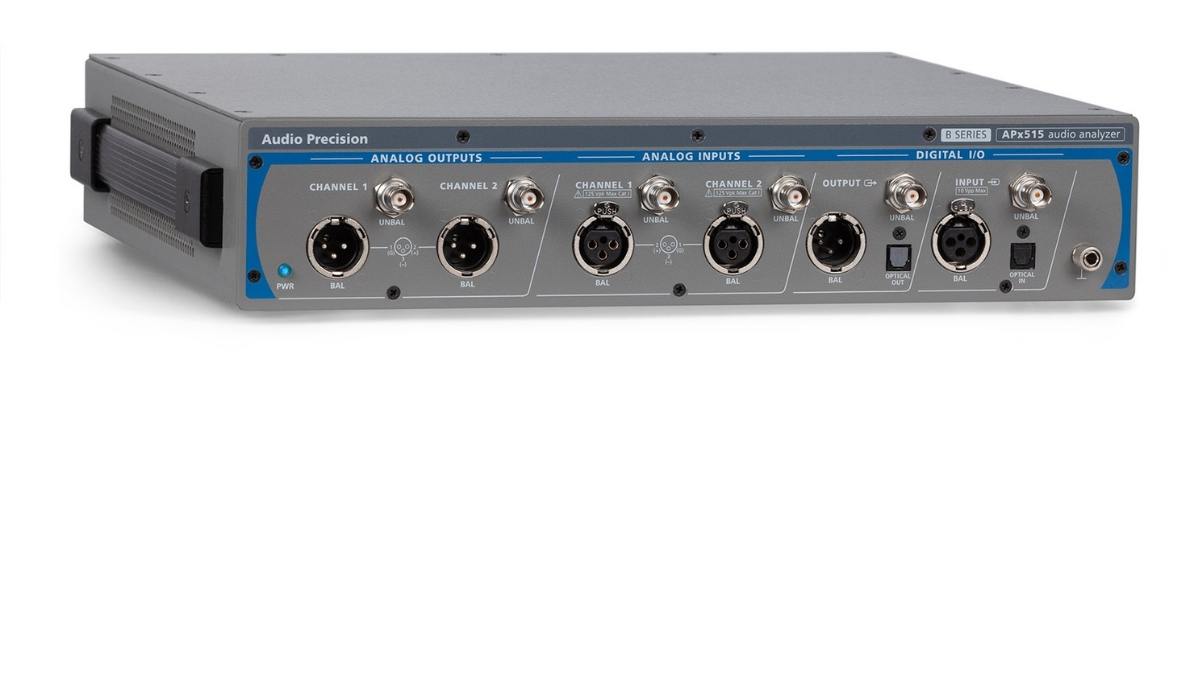
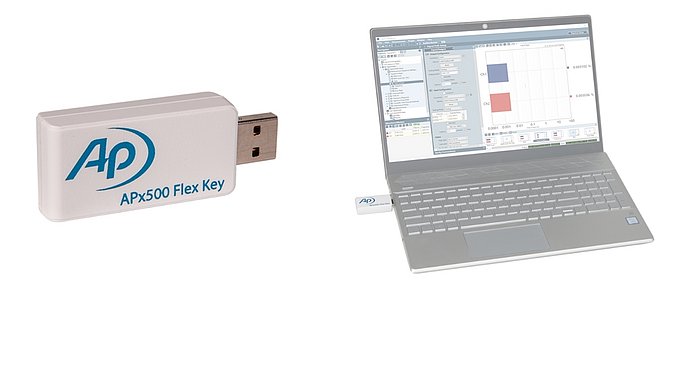
Testing Audio Power Amplifiers with APx Analyzers
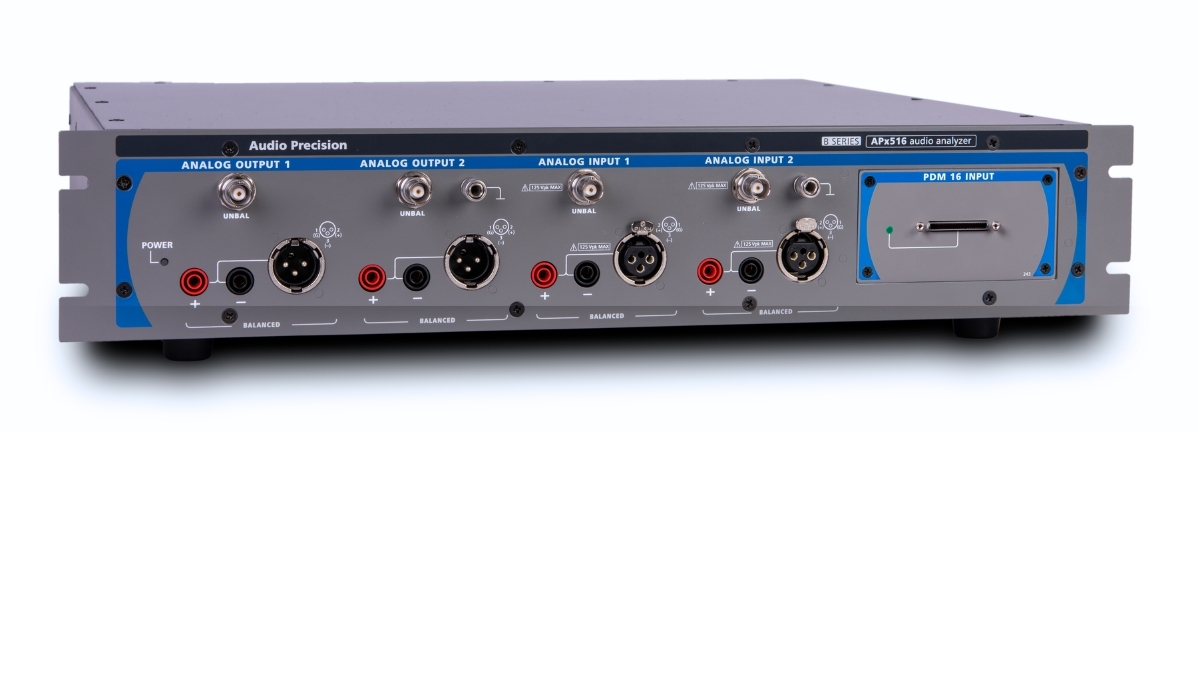
In this session, Audio Precision General Manager and industry expert Daniel Knighten provides insights into the fundamental measurements needed for designing and manufacturing audio power amplifiers. Whether you're new to testing audio power amplifiers or want to deepen your understanding of the fundamental measurements used to test these devices in APx analyzers, this webinar will equip you with valuable information.
功放测试常见问题
Class A amplfer: ClassAamplifers operate with curent fowing continuousy through output transistors. resuting n smooth inear signal amplfcation. Known for therexcellent sound uality with very low distortion. Class Aamplfers are inefclent, generating significant heat and consuming more power. They're favored n high-end audio
systems where fidelity is paramount.
Class B amplfer: I Class B amplfers tw transistors each hande one haf of the audl waveform This design grceaty mproves effciency but can cause "crossove
distortion" at the point where the two halves of the signal meet, which may compromise audio quality.
Class AB amplifer: By combining the principles of ClassAand Clss B. Ad class amplfers reduce crossover distorton and mprove efcieny They te a balanced choiceforboth home and professional audio systems, offering good sound quality with moderate power consumption.
Class D amplifer: Known for their higheffcieny. Class D amplifersuse pulse -width modulation (Pw)to switch transistors on and of rapidy. This design minimizes heat and makes Class D amplifers ideal for portable and high-power applications, with modern versions producing excelent audio quality.
Measurement setup is critical for nearly all applications, and for amplifiers this is no different. Audio analyzers are highly effective tools for audio power amplifier measurements, as they can handle the wide voltage and frequency ranges commonly seen in audio amplifier testing.
Read More >
Amplifier testing is unique among audio measurements because of the high power levels involved, as well as the amplifier’s direct effect on audio signal quality across various loads and conditions. Measuring amplifiers requires precision and careful calibration, as tests need to address how amplifiers manage power, distortions, and noise under realistic conditions. Amplifier tests are usually conducted at an output power of 1 watt as a standard reference level and can be done using an Audio Precision analyzer along with the APx500 measurement software.
Read More >